
Contact Info

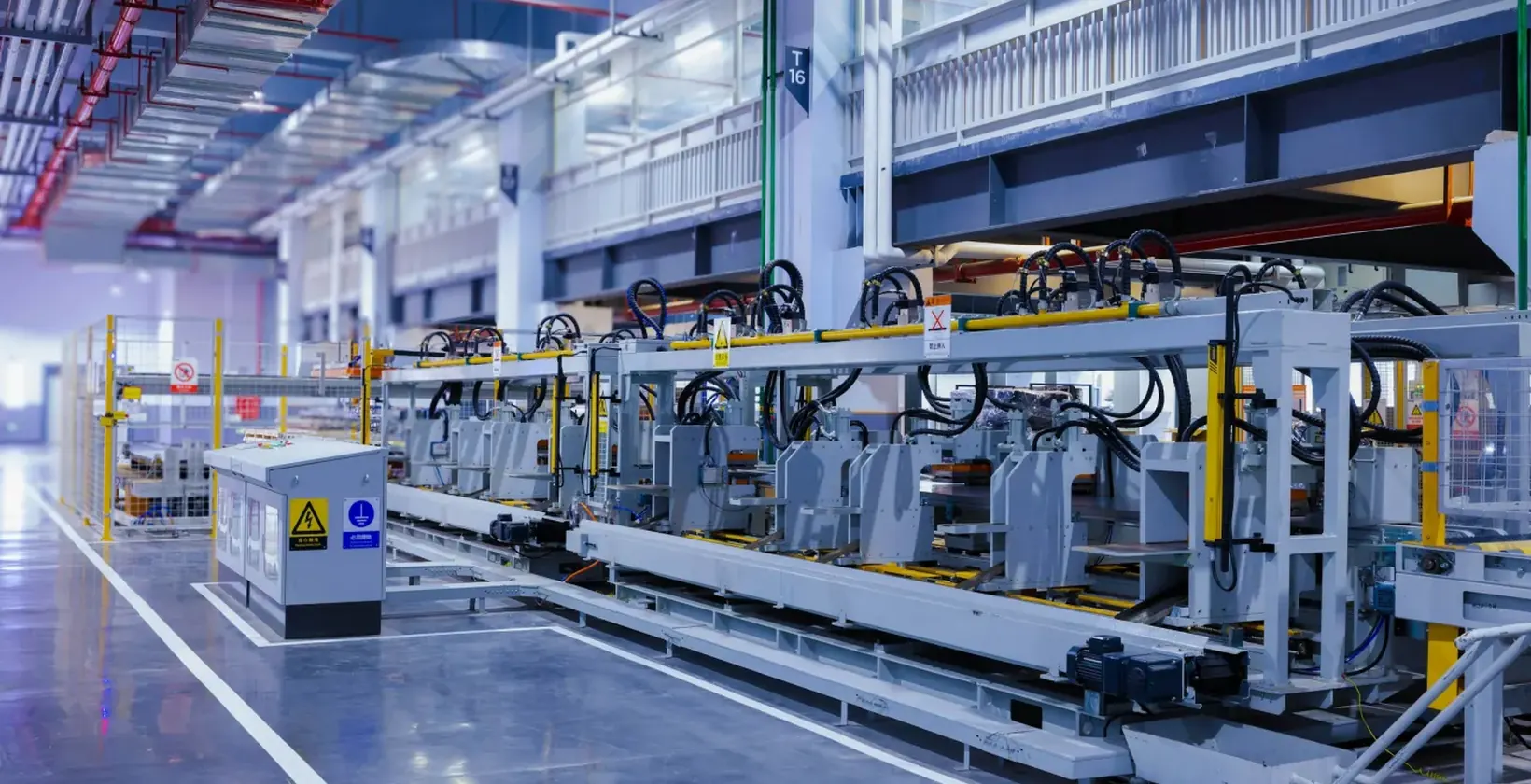
A small-to-mid-sized manufacturer producing a range of finished goods from purchased raw materials had grown faster than its systems. Production was planned in spreadsheets, bills of materials lived in separate files maintained by different people, and stock levels were counted manually and kept in another workbook. Accounting ran in standalone software with no link to operations.
As a result, the team often discovered raw material shortages only when a job was about to start, finished-goods stock figures were rarely trusted, and product costs were estimates rather than calculated values. Sales could not confidently commit delivery dates to customers.
I began with walk-throughs of the full flow: customer order, production planning, material purchasing, receiving, production, quality checks, finished-goods storage, dispatch and invoicing. I worked with the production manager, storekeeper, purchasing and finance to document how each step actually ran, including the workarounds.
The core requirements were a single, controlled bill of materials for each product, production orders that reserve and consume components, reorder rules for raw materials, accurate stock by location, product costing based on materials and operations, and accounting entries generated automatically from purchases, stock moves and sales. Traceability by lot was needed for selected materials.
After comparing options against these requirements, I recommended Odoo, using Manufacturing (MRP), Inventory, Purchase, Sales and Accounting in one database. Odoo's integrated design meant a sales order could drive production and purchasing requirements, production orders could consume stock and post costs, and accounting would reflect operations without double entry.
The design kept customization to a minimum, relying on standard Odoo features for routes, reordering, work centers and lot tracking, with small configuration changes for the company's document formats and approval steps. This made the system easier to maintain and upgrade.
Production, inventory and accounting now run from one system. Planners see material availability before releasing jobs, so shortages are identified early enough to act. Bills of materials have one owner and one version, and product costs are calculated from actual consumption rather than estimates.
Sales can check stock and production status before committing delivery dates, and finance no longer re-enters operational data into a separate accounting package. Month-end relies on system data rather than reconciling multiple spreadsheets, and the company has a stable platform to add quality, maintenance or additional warehouses as it grows.
Client details are withheld for confidentiality. This case study describes the approach and qualitative outcomes only.

Let’s look at your processes and systems and map out a practical path forward.
Discuss Your Project


 Book a Consultation
Book a consultation to talk through your processes, systems and goals. I’ll reply with practical next steps - no obligation.
